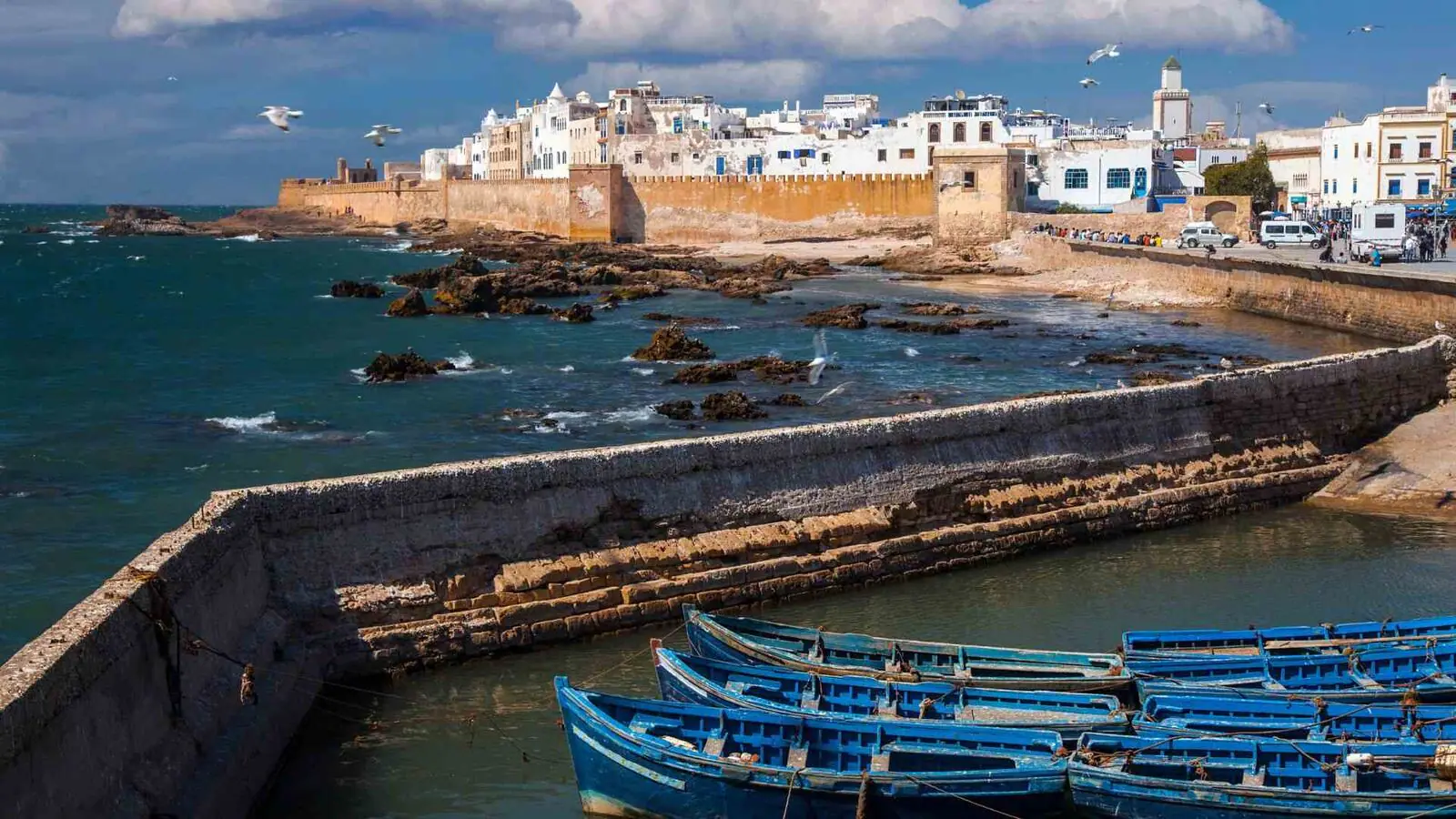
Essaouira ramparts on the Atlantic, a coastal chapter of a 10-day Morocco tour

10 Days Morocco Tour from Marrakech

10 Days / 9 Nights Starts Marrakech Ends Casablanca Private Tour Easy–Moderate

Experience the journey with local hosts

Ten days is where a Morocco trip starts to feel like travel rather than a tour. You have a coastal night, a proper desert, two imperial medinas, Chefchaouen, and a civilized finish in Rabat or Casablanca for the airport.

The order shown is one of several we run. Some guests prefer the desert immediately; others want Marrakech and Essaouira first to recover from jet lag. We build around your flights and energy.

Handpicked riads, private vehicle, and a driver who has done these roads for years. Suitable for couples, families and small groups of friends.

Places on this tour: Marrakech · Essaouira · Ait Ben Haddou · Merzouga · Fes · Chefchaouen · Rabat

This is a private tour with Moroccan Travel. See all multi-day tours from Marrakech, or browse Morocco desert tours.

Private & Flexible Local Drivers Comfortable Transport Authentic Experiences

Tour Highlights

Atlantic Essaouira

Sahara camp

Fes and Marrakech

Chefchaouen

Rabat kasbah

Flexible order around your flights

Itinerary

Day1

Marrakech medina, gardens & Jemaa el-Fna

Approx. driving time: City day with private driver on call

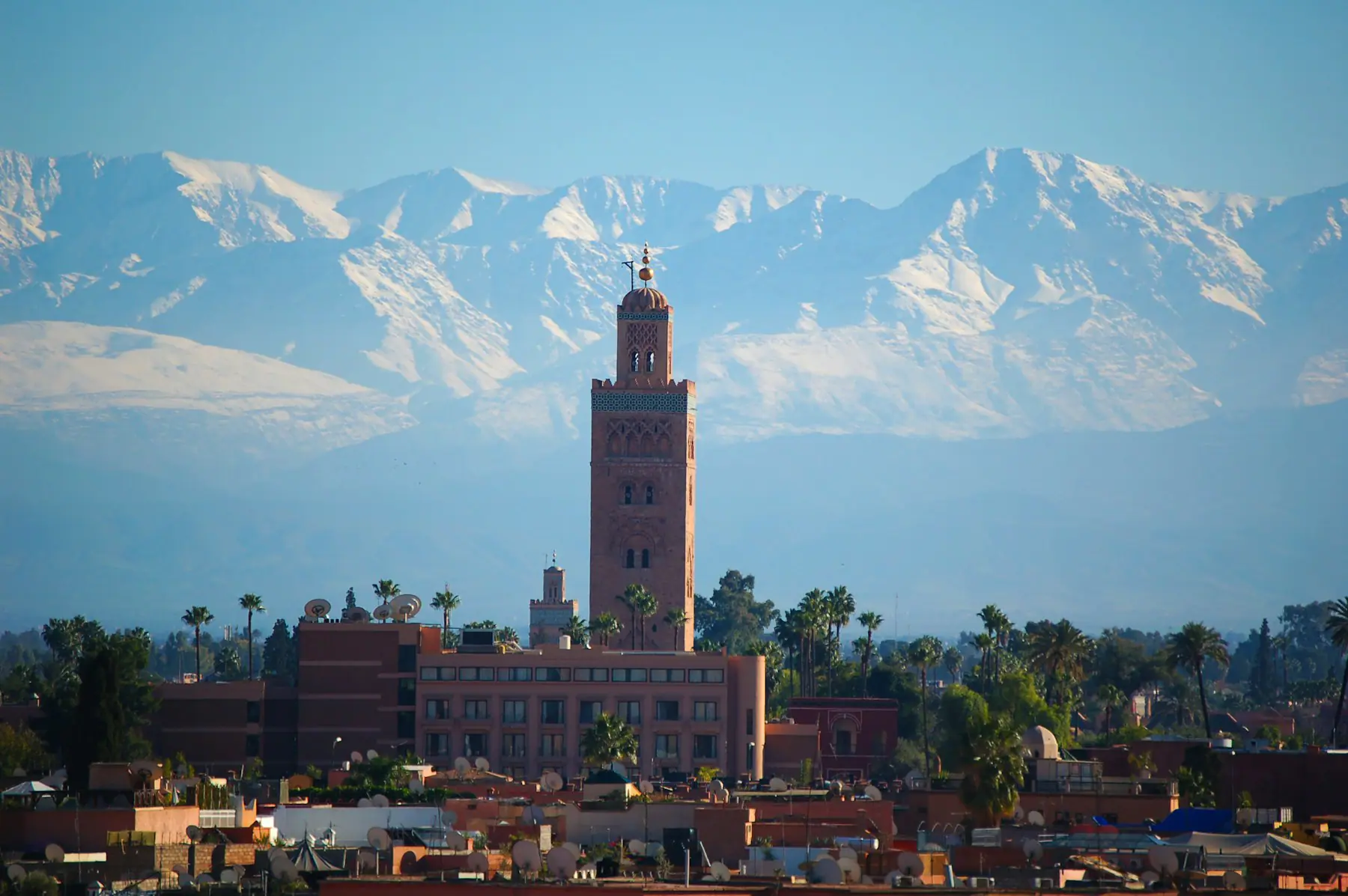
Marrakech is best taken slowly after a desert road. This day can be guided or self-guided with your driver available for gardens and the palmeraie. Typical highlights include the Koutoubia minaret, the Bahia Palace, and a wander through the souks of Semmarine and Attarine without a shopping agenda unless you want one.

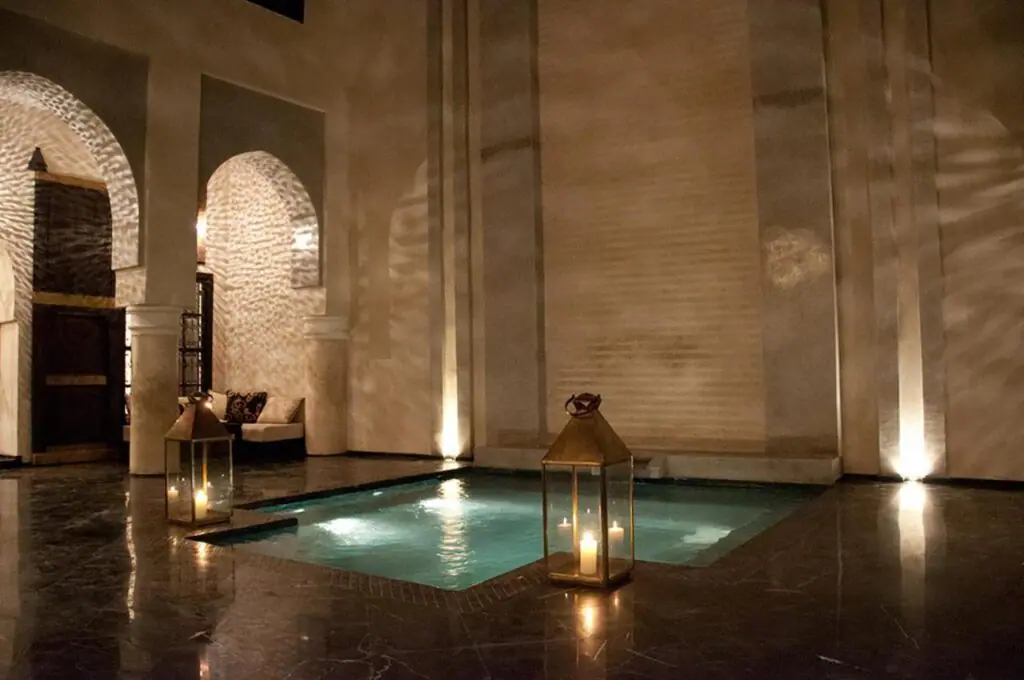
In the afternoon, Jardin Majorelle and the Yves Saint Laurent Museum, or the quieter secret gardens, offer shade and a different register of the city. Some guests prefer a hammam; others sit on a rooftop and watch storks on the ramparts.

At sunset Jemaa el-Fna comes alive — orange juice stalls, drums, steam from snail soup. We do not treat it as a show to be consumed in twenty minutes. Stay for the call to prayer from the Koutoubia, then eat where you like: a famous palace restaurant or a grilled-lamb stall. Your riad is never far.

MealsDinner

AccommodationRiad in Marrakech
Day2

Atlantic day in Essaouira: ramparts, medina & port

Approx. driving time: From Marrakech approx. 180 km / 2.5 hours each way, or overnight

Essaouira is Morocco with salt on the wind. The Portuguese-built ramparts, blue fishing boats, and a medina you can cross in twenty minutes make it the easiest coastal city to love. Gulls hang over the port where the day’s catch is auctioned; argan and thuya wood scent the lanes.

On a day trip from Marrakech we leave early, walk the Skala, have grilled fish at the port, and return in the evening. On a multi-day itinerary we stay the night so you can see the town after the day-trip buses leave — that is when Essaouira becomes itself, with music in small bars and a slower rampart walk at dusk.

The road passes argan forest; if you wish, we stop at a women’s cooperative. In summer the beaches invite a swim; in trade-wind months they invite a look at the surfers instead.

MealsBreakfast, Dinner

AccommodationRiad in Essaouira (if overnight)

Day3

Marrakech → High Atlas → Ait Ben Haddou → Dades Valley

Approx. driving time: Approx. 350 km / 8–9 hours with stops

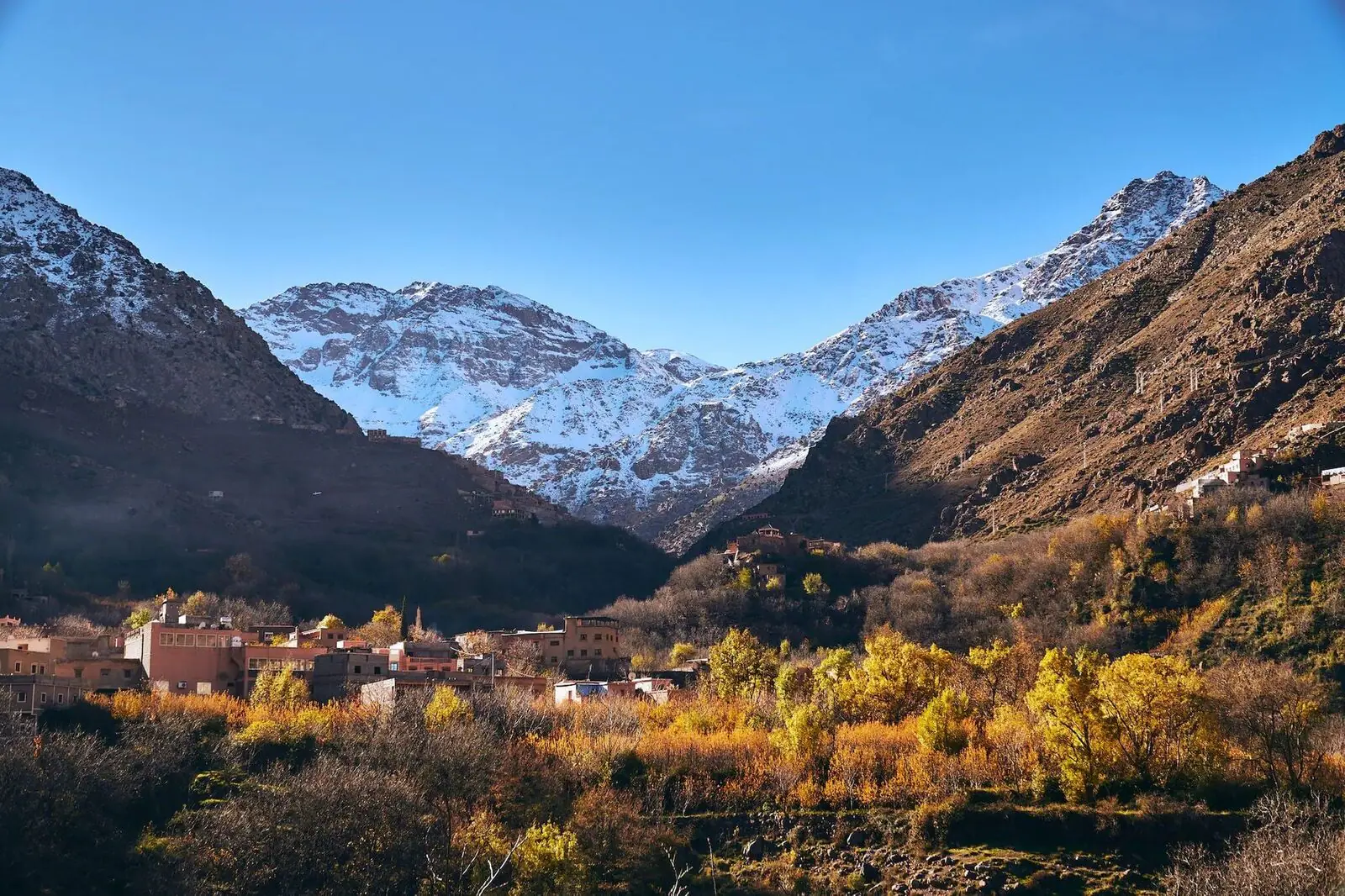
Your driver meets you at your Marrakech riad or the airport after breakfast. The road climbs almost immediately into the High Atlas, following the Tizi n'Tichka pass at 2,260 meters. Villages of packed earth cling to the hillsides, and in winter the highest ridges can hold snow. We pause at a viewpoint for tea and photographs, then descend toward the pre-Saharan plains where the light turns harder and the kasbahs begin.

Before lunch you reach Ait Ben Haddou, the UNESCO-listed ksar that has appeared in countless films. Cross the riverbed and walk up through the lanes to the granary at the top. The view back across the Ounila Valley is one of the great first impressions of southern Morocco. Time here is unhurried: you can visit a local artisan workshop or simply sit with the geometry of the towers.

In the afternoon we continue via Ouarzazate, skirting the palmeraie of Skoura and joining the Road of a Thousand Kasbahs. The Dades Valley narrows into a ribbon of barley, roses and adobe villages. Sunset often catches the rock walls in deep red. Dinner and overnight are in a family-run kasbah hotel overlooking the valley, with a chance to walk a short way along the river before dark.

MealsBreakfast, Dinner

AccommodationKasbah hotel or riad in the Dades Valley

Day4

Dades Valley → Todra Gorge → Rissani → Merzouga & Sahara camp

Approx. driving time: Approx. 300 km / 6–7 hours plus camel trek

Morning light in the Dades is worth an early walk. After breakfast you follow the valley to Tinghir and the Todra Gorge, where 300-meter limestone walls close in above a clear stream. There is time to stroll the canyon floor, watch climbers on the faces, and have tea at a simple café at the narrowest point.

East of Tinghir the road crosses open hamada toward Tinejdad, Erfoud and Rissani, the old caravan market at the edge of the Tafilalet palmeraie. Rissani still feels like a frontier town: donkey carts, spice stalls and the last petrol station before the dunes. From here the Erg Chebbi sand sea rises suddenly — a 150-meter wall of orange ridges that looks almost unreal after hours of stone desert.

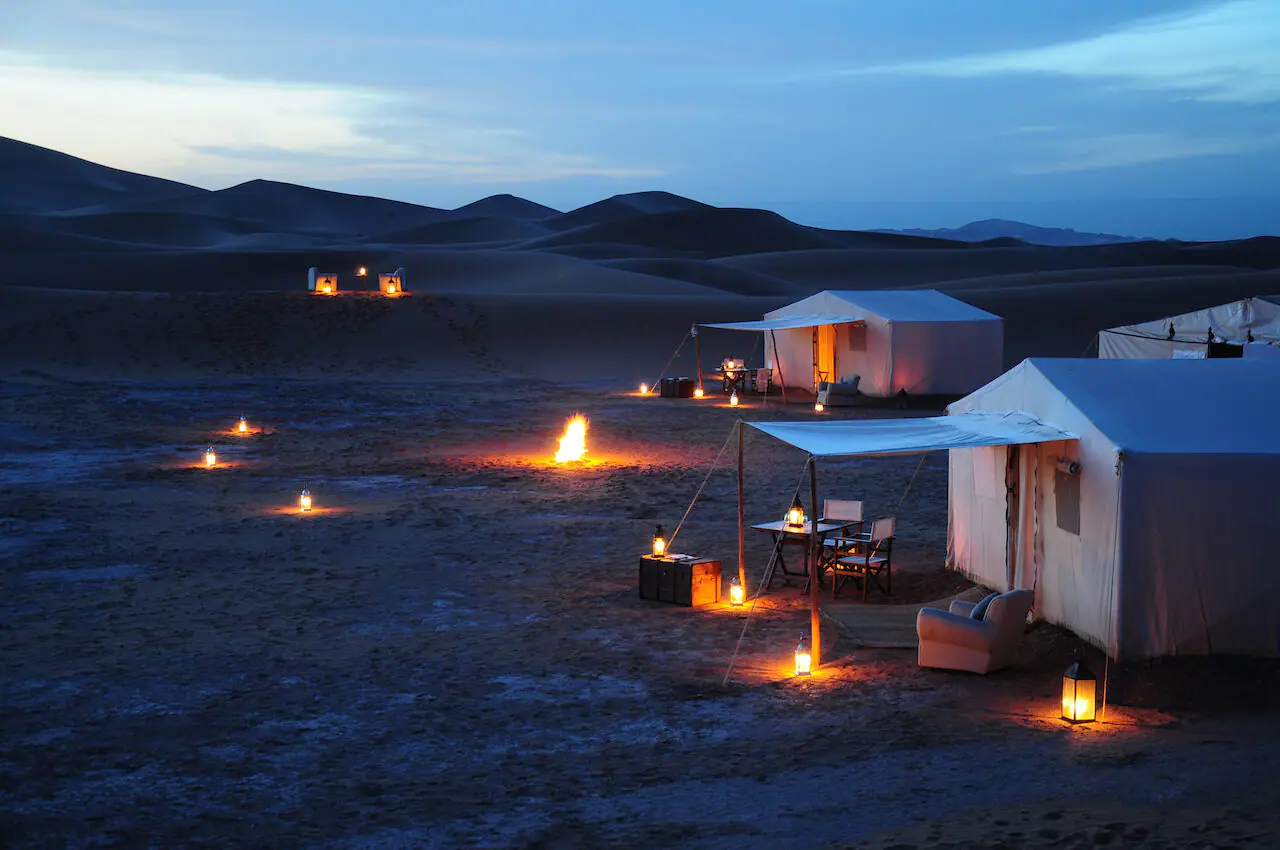
In Merzouga you leave the vehicle. Camels (or a 4x4 if you prefer) take you into the dunes for sunset. The camp is waiting with rugs, lanterns and a shared dinner of tagine and bread baked in sand. After music around the fire, the silence of the Sahara takes over. Sleep is in Berber tents; luxury camps add private bathrooms and proper beds if you have requested an upgrade.

MealsBreakfast, Dinner

AccommodationDesert camp at Erg Chebbi (standard, comfort or luxury)

Day5

Erg Chebbi free day: dunes, villages, 4x4 & camp

Approx. driving time: Local 4x4 circuits around Merzouga

A full day among the dunes changes the trip from a transit into a stay. After sunrise you can sandboard, walk a ridge in silence, or return to bed for a late breakfast. The heat of midday is best spent in shade — at camp, or at a kasbah hotel with a pool on the edge of the erg.

In the afternoon a 4x4 circuit can take you to nomad tents, the village of Khamlia known for Gnawa music, seasonal lakes if it has rained, and fossil workshops in the hamada. These visits are arranged at a human pace, with tea rather than a checklist.

Sunset is again in the dunes, perhaps from a different ridge than yesterday. A second night in camp lets the desert settle in: you start to recognize the shape of the nearest dune, and the night sky feels less like a spectacle and more like a place you are sleeping inside.

MealsBreakfast, Dinner

AccommodationDesert camp or kasbah hotel in Merzouga

Day6

Merzouga sunrise → Ziz Valley → Midelt → Ifrane → Fes

Approx. driving time: Approx. 470 km / 8–9 hours with stops

Sunrise over Erg Chebbi is the last desert moment of the trip. After breakfast and a shower at the camp or a nearby hotel, you drive north along the Ziz Valley, a green corridor of date palms cut through red escarpments. The viewpoint above the palmeraie near Errachidia is a natural pause for photographs.

The road then climbs toward the High Plateau around Midelt, where apple orchards and mud-brick villages sit under Jebel Ayachi. Lunch is typically in Midelt. In the afternoon you enter the Middle Atlas: cedar forest, the highland town of Ifrane with its red roofs, and often a short stop near Azrou if Barbary macaques are feeding at the forest edge.

Fes appears in the late afternoon, a vast medina in a bowl of hills. We take you to your riad, help with luggage through the lanes if needed, and leave the evening free — many guests go straight to a rooftop for the sunset call to prayer. Tomorrow, if your itinerary includes it, the medina deserves a slow morning.

MealsBreakfast, Dinner

AccommodationRiad in Fes medina or Ville Nouvelle

Day7

Fes medina: artisans, tanneries & sacred city

Approx. driving time: Walking day in Fes el-Bali

Fes el-Bali is the largest car-free medieval city in the Arab world, and it rewards a local guide. After breakfast you enter through one of the great gates and move from the Andalusian quarter toward the Qarawiyyin mosque-university, the henna souk, and the Nejjarine woodworkers’ foundouk.

The Chouara tanneries are the most photographed scene in Fes: stone vats of white, brown and poppy-red dye, viewed from a terrace above. We time the visit so you are not rushed, and we skip aggressive shopping circuits unless you ask to see leather or carpet workshops. Lunch is in a restored palace or a simple medina restaurant, depending on your style.

Afternoon options include the Bou Inania madrasa, the pottery kilns of Fes Jdid, or simply getting lost — with your guide — in lanes that smell of cedar, cumin and wet wool. You return to the riad before dusk. Fes is intense; a private tour means you can step into a courtyard whenever the medina feels like too much.

MealsBreakfast, Dinner

AccommodationRiad in Fes

Day8

Fes → Chefchaouen, the blue medina of the Rif

Approx. driving time: Approx. 200 km / 4 hours

The drive north from Fes crosses agricultural plains and then climbs into the Rif Mountains. The air cools. Chefchaouen appears as a spill of blue-washed houses beneath Jebel el-Kelaa, still one of the most distinctive towns in Morocco.

After dropping bags at your riad you walk the medina: Plaza Uta el-Hammam, the Grand Mosque’s octagonal minaret, the Ras el-Maa spring, and the stepped lanes painted in every shade from indigo to almost white. There is little “must-see” architecture compared with Fes; the pleasure is the walking itself, and the cat-on-a-doorstep photographs that everyone takes and no one regrets.

Late afternoon you can climb toward the Spanish Mosque for a view of the whole blue town at sunset. Dinner is typically Moroccan mountain cooking — goat cheese, honey, tagine — on a terrace. Chefchaouen is compact; you will know its main lanes by the next morning.

MealsBreakfast, Dinner

AccommodationRiad in Chefchaouen medina

Day9

Rabat → Chefchaouen

Approx. driving time: Approx. 250 km / 4.5 hours

A northward swing from the capital into the Rif, usually after a morning among the Udayas or a simple hotel breakfast. The road leaves boulevards for hills, then for the first blue walls. It is a landscape change as complete as Marrakech to the Atlas, only greener.

You arrive in Chefchaouen in the afternoon with time to settle into a riad and walk the medina before sunset. Climb toward the Spanish Mosque if legs allow; otherwise sit on Plaza Uta el-Hammam and let the town happen around the square.

This link is how Casablanca-start tours reach the blue city without backtracking through Fes first. Dinner is mountain cooking — goat cheese, honey, a tagine — on a terrace if the evening is mild.

MealsBreakfast, Dinner

AccommodationRiad in Chefchaouen

Day10

Casablanca Hassan II Mosque → Rabat, capital on the Bou Regreg

Approx. driving time: Approx. 90 km between cities, plus city visits

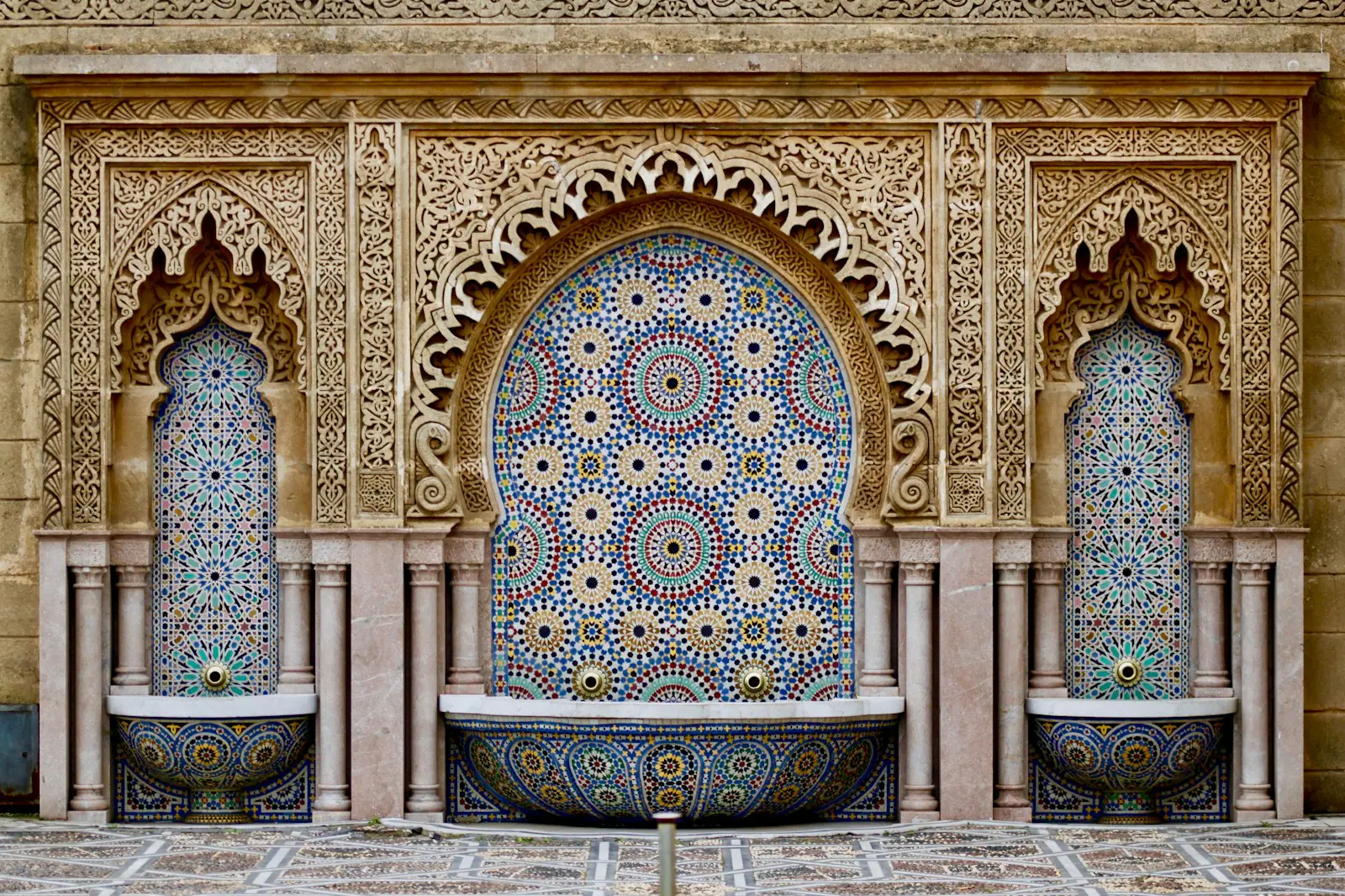
Casablanca is often just an airport, which is a pity if you have a morning. The Hassan II Mosque sits on a promontory above the Atlantic, one of the few Moroccan mosques open to non-Muslim visitors on a timed tour. The craftsmanship — zellige, cedar, marble — is a useful introduction to everything you will see later in Fes and Marrakech.

After lunch we drive north to Rabat, a calmer capital of gardens, wide avenues and a kasbah painted blue and white. The Kasbah of the Udayas overlooks the estuary; the Hassan Tower and Mausoleum of Mohammed V form the ceremonial heart of the city. Sunset from the Udayas platform, with fishing boats on the Bou Regreg, is a gentle first night in Morocco.

This day is designed around landing times. Late arrivals may see only the mosque exterior and continue to Rabat for dinner; early arrivals get the full walking circuit.

MealsBreakfast

AccommodationRiad or hotel in Rabat

What’s Included

  • Hotel or airport pickup and drop-off
  • Private air-conditioned vehicle for the itinerary
  • Professional driver-guide
  • Fuel and road taxes
  • Overnight accommodation as outlined (standard category, upgradeable)
  • Daily breakfasts
  • Luggage transportation
  • Flexible sightseeing stops along the route
  • Camel trek in the dunes (or 4x4 alternative on request)
  • Night in a Sahara camp with dinner when the itinerary includes the desert
  • Sandboarding at Erg Chebbi when conditions allow

Not Included

  • International and domestic flights
  • Lunches and drinks unless specified
  • Monument and museum entrance fees
  • Travel insurance
  • Tips for drivers, camp staff and local guides
  • Personal expenses and souvenirs

Accommodation

We offer a choice of standard, comfort or luxury options to suit your style of travel.

Comfortable Moroccan riad bedroom
Comfortable Hotels & RiadsHandpicked stays with warm Moroccan hospitality.
Desert camp tents in the Sahara
Desert CampsAuthentic camps in the Sahara with private tents and comfortable beds.

Good to Know

  • This is a private tour, flexible to your pace and interests.
  • Long driving days with scenic stops — we never treat the road as filler.
  • Desert nights can be cold even in summer. Bring a layer, closed shoes, sunscreen and a scarf.

Responsible travel

  • We support local communities and family-run accommodation.
  • Please respect local customs and traditions.
  • Reduce plastic use and leave no trace on the dunes.

Frequently Asked Questions

Is this tour private?

Yes. You travel in a private air-conditioned vehicle with a professional driver. Dates, pace and stops are yours — we do not combine you with other bookings.

Can we customize this itinerary?

Yes. Nights, hotel category, camel versus 4x4, extra cities and slower driving days can all be rewritten before you book. This outline is a starting point.

Is the camel trek required?

No. The usual sunset ride into Erg Chebbi lasts about 45–90 minutes at walking pace. You may take a 4x4 to camp instead — say so when you inquire.

What should we pack for the desert nights?

Layers, closed shoes, a scarf for wind, sunscreen and a small torch. Camps provide blankets. Duffels move more kindly than hard suitcases. Nights can be cold even after hot afternoons.

How long do we spend in Essaouira?

On a day trip, typically 4–5 hours in town after the coastal drive — enough for the medina, ramparts and a fish lunch. An overnight is better if the Atlantic is the point of the week.

Is lunch included in Essaouira?

Lunch is usually paid on the spot so you choose the restaurant. We stop where kitchens can help with dietary needs if you tell us in advance.

Real experiences from our travelers

Read traveler notes on independent platforms. We do not publish invented star ratings.

Ask us about recent trips

Ready to plan this journey?

Tell us your travel dates and we will confirm availability, stay category and a quote for this private itinerary.

WhatsApp Request a Quote